Baoding Jikai Power Equipment Co., Ltd.

Dry-Type vs Oil-Immersed Transformers: A Buyer’s Guide
Choosing between a dry-type and an oil-immersed transformer starts with the installation site. Both can supply distribution loads, but the building layout, cooling arrangements, environmental conditions and maintenance plan determine which design makes sense. A useful comparison therefore begins before a buyer asks for a price.
What is the main difference?
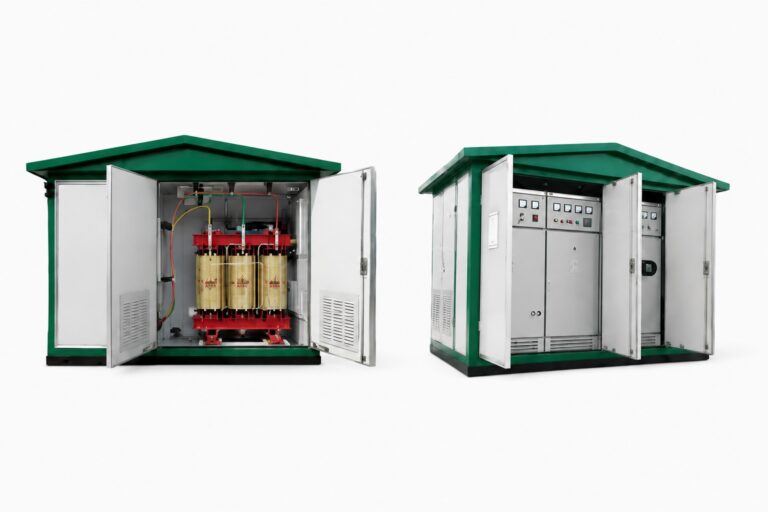
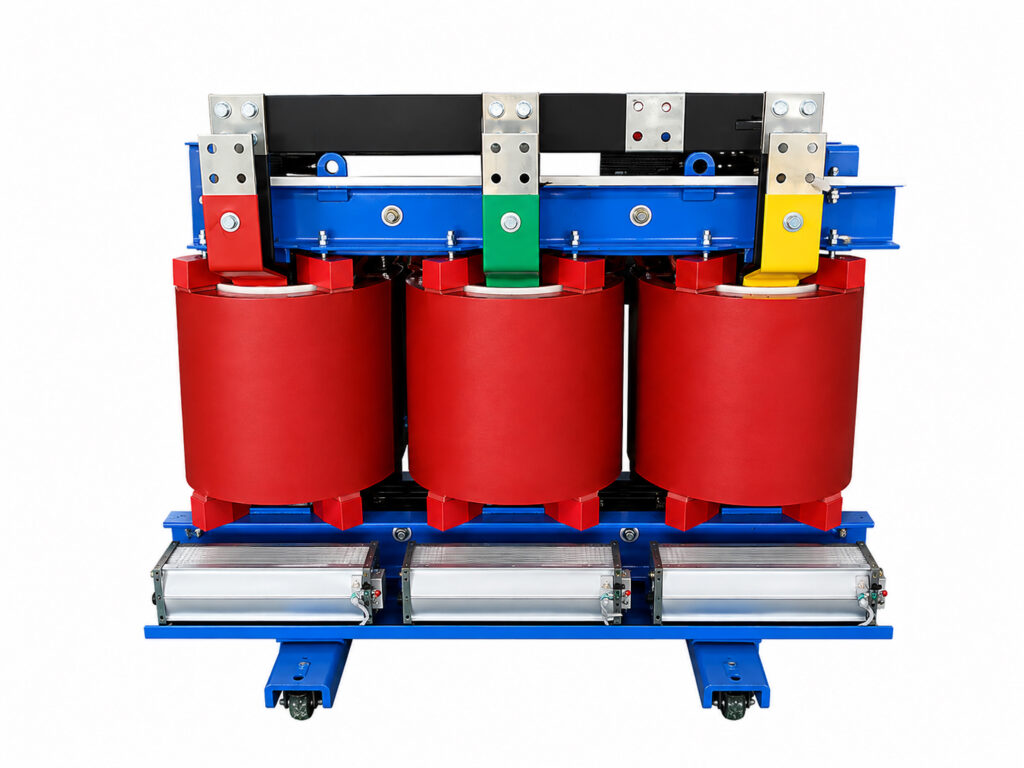
An oil-immersed transformer uses insulating liquid around the active parts. A cast-resin dry-type transformer uses solid insulation and air cooling without an oil-filled tank. That difference affects how the project manages heat, fluid containment and access for inspection. Neither description, by itself, establishes the losses or service life of a particular unit.
Compare the installation requirements
| Question | Dry-type proposal | Oil-immersed proposal |
|---|---|---|
| Where will it operate? | Check enclosure, ventilation and contamination exposure. | Check tank arrangement, containment and equipment clearances. |
| How is heat removed? | Confirm airflow, room temperature and any fan requirements. | Confirm cooling surfaces, ambient conditions and fluid specification. |
| What must maintenance cover? | Access to insulation surfaces, cooling paths and connections. | Access to tank, accessories and condition checks required by the manufacturer. |
For an indoor project, ask the designer to confirm the fire strategy and equipment room requirements before accepting either construction. Dry-type equipment still needs an appropriate enclosure and thermal design. For an outdoor site, weather protection and the actual operating environment remain part of the specification, regardless of insulation type.
Make the electrical comparison fair
Two offers should use the same capacity, voltage ratio, frequency, connection group and operating duty. Also compare impedance and guaranteed losses on a consistent reference basis. A lower purchase price can lose its advantage if it comes with an unsuitable cooling arrangement, additional building work or higher operating losses at the expected load.
Ask bidders to identify which accessories are included. Temperature monitoring, fans, protective enclosures and terminal arrangements can change both the price and the installation work. Record these differences beside the quotation instead of leaving them in separate email exchanges.
Match the comparison to Jikai’s range
Jikai’s SC(B) series product page lists epoxy resin cast dry-type transformers. Its S20-M.RL/S22-M.RL page lists oil-immersed models from 30 to 2500 kVA with a 0.4 kV secondary and several primary voltage options. These catalog ranges help establish a shortlist; the final offer should identify the exact configuration and guaranteed performance.
Prepare one request for both options
Send the same load schedule, single-line diagram, site location and dimensional limits to the supplier. Request a drawing, loss schedule, cooling description, accessory list and delivery scope for each option. Include ambient temperature, altitude and any nonlinear loads so that the supplier can state the assumptions behind its recommendation.
Frequently asked questions
Is a dry-type transformer maintenance-free?
No. Inspection and maintenance requirements depend on its design, environment and operating instructions. The absence of oil does not remove the need to inspect the equipment.
Which type is more efficient?
Compare guaranteed losses for the actual models at the relevant operating conditions. Insulation type alone is not an efficiency rating.
Can the same kVA rating fit a different installation?
Not automatically. Dimensions, clearances, ventilation and cable access must also match the site. Include those constraints in the quotation request.
Discuss your project with Jikai
Review the related Jikai product specifications, then send your project requirements for a configuration-specific quotation. Include the destination country, quantity, electrical duty and relevant drawings.