Baoding Jikai Power Equipment Co., Ltd.


Time-of-Use and Maximum Demand Metering Explained
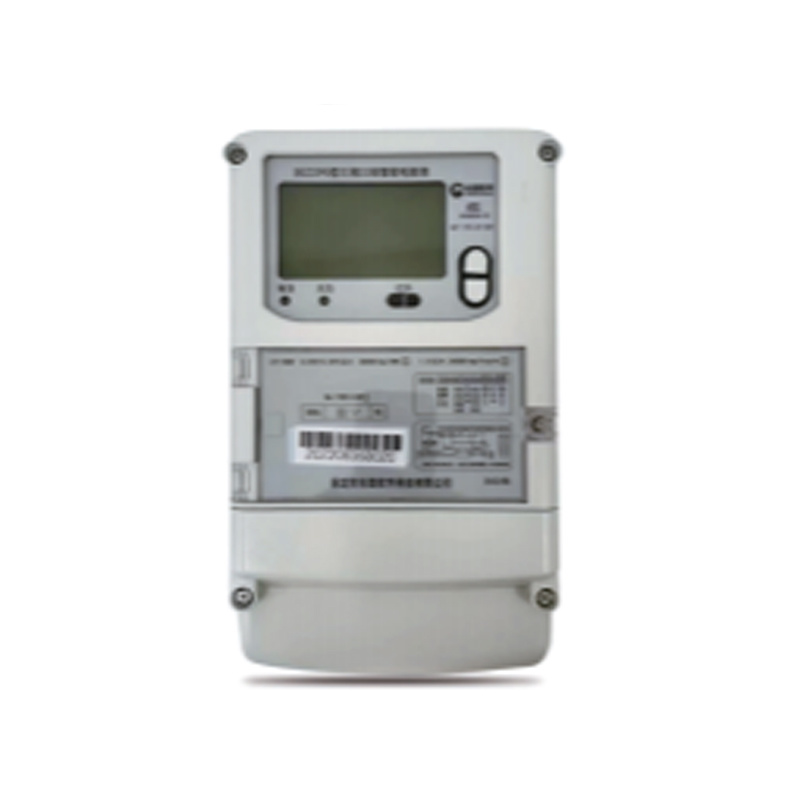
Time-of-use and maximum demand metering answer different questions. Time-of-use records how much energy is consumed during defined periods. Maximum demand identifies the highest measured demand according to the configured calculation method. A project may need both to understand consumption patterns and compare them with its tariff.
Separate energy from demand
Energy in kWh accumulates over time. Demand typically expresses average power over a defined interval. Schneider Electric’s meter documentation describes demand as an average over a programmed interval and distinguishes calculation methods. That means a recorded maximum depends on the method and timing settings, not only on the highest instantaneous reading.
For an illustrative fixed 15-minute interval, consumption of 25 kWh corresponds to an average demand of 100 kW: 25 kWh divided by 0.25 hours. The same daily energy total can produce different maximum demand values if the equipment runs simultaneously in one case and at different times in another.
What time-of-use metering adds
Time-of-use registers allocate energy to configured time periods. To make that information useful, the meter’s calendar and clock must align with the intended tariff or internal reporting schedule. Define weekdays, weekends, holidays and any seasonal changes that the project requires.
Do not assume the most expensive period is always the one with the highest energy consumption. Compare the actual price structure and demand rules with the measured data. The meter provides evidence; savings depend on the tariff and the operational changes a facility can make.
Connect the requirements to Jikai’s meter
Jikai lists time-of-use metering and bidirectional maximum demand among the functions of its three-phase three-wire smart meter. The page also describes settlement data storage and operating event records. These are useful starting points for an energy-monitoring project, but the required interval settings, calendar capacity and export functions should be confirmed for the supplied model.
Ask what “12 settlement days” means for retention, retrieval and the project’s reporting cycle. Do not translate a published storage description into a different duration or data logging guarantee without supplier confirmation.
A commissioning checklist for meaningful data
- Confirm the measurement ratios and energy direction.
- Match the demand method and interval to the intended assessment.
- Verify clock, time zone and calendar settings.
- Confirm when maximum demand resets and who may reset it.
- Check that exported values have clear units and timestamps.
- Compare a controlled operating period with the expected records.
Document the final settings with the handover package. Without that record, a later comparison can mistake a configuration change for an improvement or deterioration in facility performance.
Frequently asked questions
Will a time-of-use meter reduce the bill by itself?
No. It measures consumption by period. Financial results depend on the tariff, accuracy of the configuration and the actions taken in response.
Is maximum demand the highest instantaneous power?
Not normally. Review the meter’s configured calculation method and interval before interpreting the value.
Should every project use 15 minutes?
No. The example is illustrative. Use the interval and method required by the utility or the project’s reporting specification.
Discuss your project with Jikai
Review the related Jikai product specifications, then send your project requirements for a configuration-specific quotation. Include the destination country, quantity, electrical duty and relevant drawings.