Baoding Jikai Power Equipment Co., Ltd.


Off-Circuit Tap Changers: Transformer Buying Questions
An off-circuit tap changer adjusts a transformer’s ratio under de-energized conditions. It is a procurement option for projects where occasional planned adjustment suits the operating strategy. The essential buying question is whether that strategy matches the voltage conditions and outage arrangements at the site.
What does off-circuit voltage regulation mean?
Tap selection changes the effective winding ratio. An off-circuit device requires the transformer to be de-energized for operation; it is not an automatic correction mechanism that changes taps while supplying the load. Hitachi Energy’s de-energized tap-changer range illustrates this separate equipment category.
Do not interpret “off-load” as permission to operate the device with an energized transformer simply because the downstream load is disconnected. The model’s instructions and the site’s isolation procedure govern any adjustment, which must be performed by qualified personnel.
When is it worth evaluating?
Ask the project engineer whether the expected voltage conditions can be addressed through an initial or occasional planned setting. If the project requires frequent regulation while remaining energized, that operating requirement needs a different technical review. Avoid selecting a cheaper adjustment arrangement before defining how the system must behave.
Provide measured or specified supply variation, loading information and the required secondary-voltage performance. Those inputs are more useful than asking for “good voltage regulation” without a duty description.
Read the tap schedule precisely
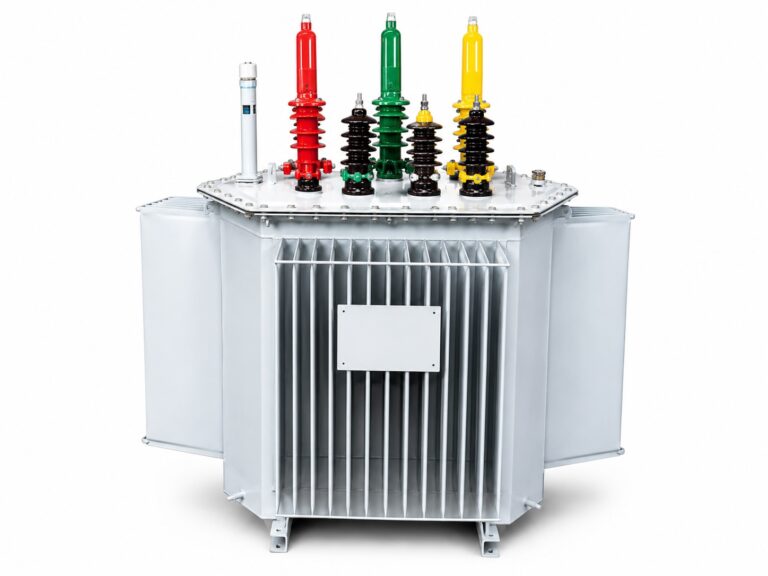
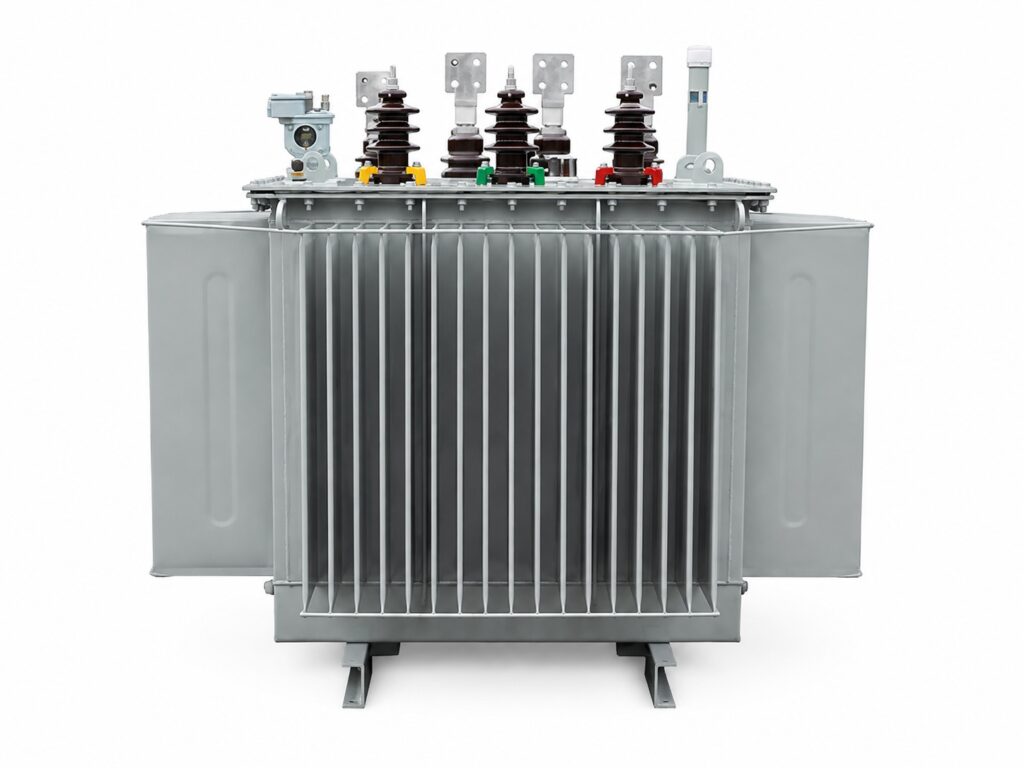
Jikai’s S11-M/S13-M off-circuit voltage-regulation transformer page lists a 30–2500 kVA range, a 0.4 kV secondary, and primary options including 6, 6.3, 10, 10.5 and 11 kV. It also lists tap arrangements of ±5% or ±2 × 2.5%. Confirm the exact positions, reference voltage and supplied schedule in the approved offer.
Ask for the nameplate details and connection diagram. A statement that taps are “available” does not establish which arrangement has been included in the quotation. Likewise, the final setting should follow the approved engineering assessment rather than a generic internet example.
Specify the transformer around the whole duty
Include capacity, voltage ratio, frequency, connection group, impedance, guaranteed losses and site conditions. Identify terminal arrangement and dimensional constraints. Where replacement is planned, provide the existing drawings and interfaces so the new unit’s physical and electrical compatibility can be checked.
Request test documents appropriate to the purchase specification. Eaton’s transformer fundamentals overview describes measurements such as winding resistance, losses and impedance as part of transformer testing. For the actual order, agree which reports and ratio checks will be supplied and how they identify the delivered unit.
Frequently asked questions
Can taps be changed during normal energized operation?
Not with an off-circuit tap changer. Follow the required de-energization and isolation procedure for the supplied device.
Does a wider tap range guarantee a better transformer?
No. The range and number of positions should match the intended system conditions. Other electrical and installation requirements remain relevant.
What belongs in the quotation request?
Send the required transformer duty, expected voltage variation, permitted outage strategy, tap schedule requirements and site information. Ask the supplier to identify the exact proposed configuration.
Discuss your project with Jikai
Review the related Jikai product specifications, then send your project requirements for a configuration-specific quotation. Include the destination country, quantity, electrical duty and relevant drawings.