Baoding Jikai Power Equipment Co., Ltd.


Three-Phase Three-Wire Smart Meter: A Procurement Guide
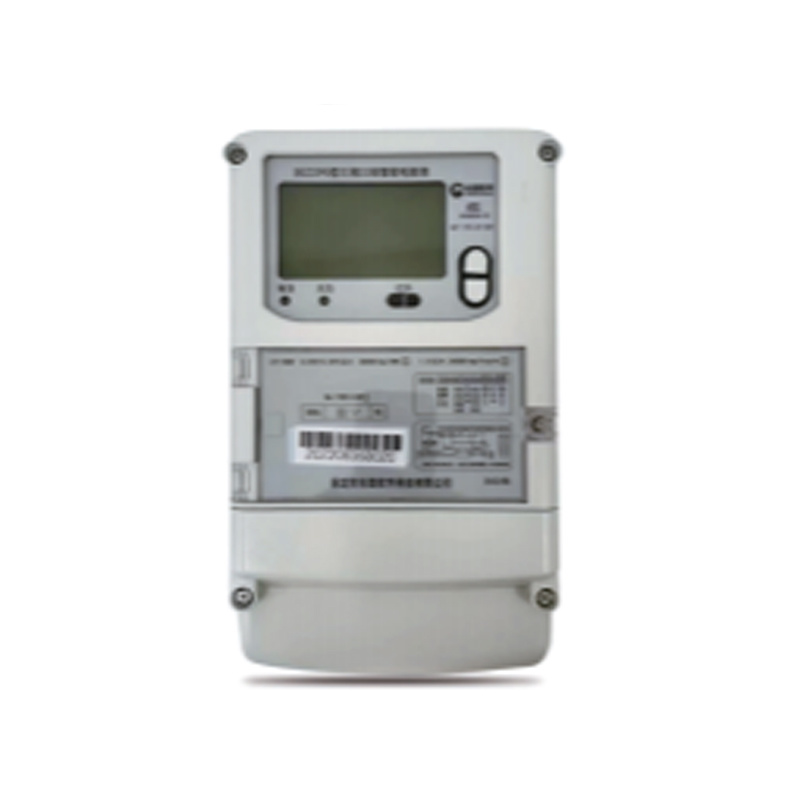
A three-phase three-wire smart meter must match the electrical system and the information the project needs to collect. Selecting a meter from its name alone can leave questions about voltage inputs, current measurement, wiring configuration and data access unanswered. Resolve these points before comparing prices or planning integration.
Confirm the system configuration
Provide the approved single-line diagram and identify the measurement point. Ask the supplier to confirm the exact meter variant and connection arrangement. Three-wire and four-wire measurements are not interchangeable descriptions; manufacturer documentation distinguishes configurations and the associated measurement arrangements.
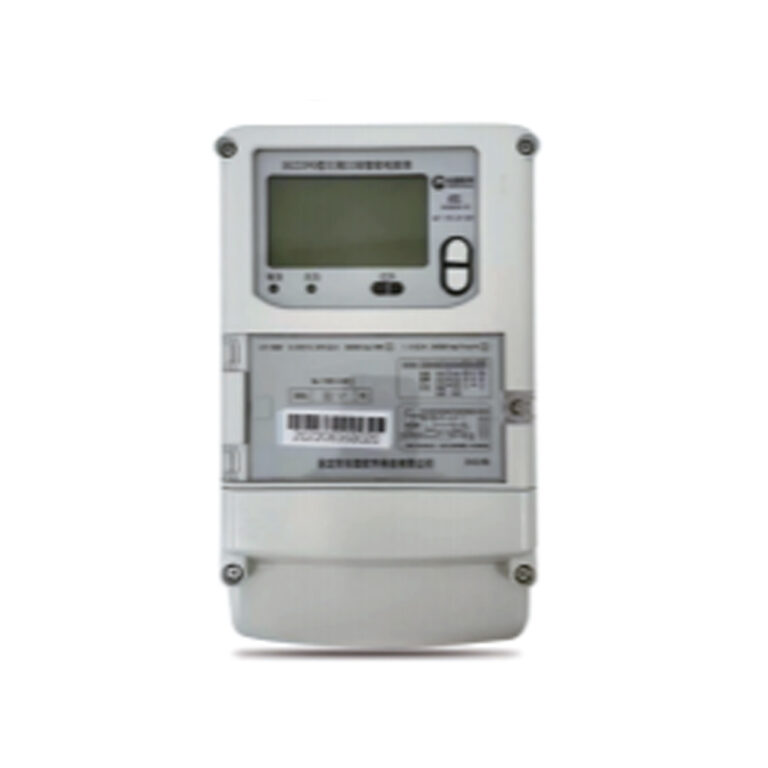
Also identify whether current and voltage transformers are required. The quotation should state the relevant input ratings and ratios, together with the approved connection diagram. Do not infer those values from a display photograph or a product family name.
Specify the measurements you need
Jikai’s three-phase three-wire meter page names DSZ2390 and DTZ2390 models and lists forward and reverse active energy, time-of-use metering, maximum demand and monitoring of voltage, current, power and power factor. Use these published functions to build a requirements matrix, then ask which exact variant and configuration meets the project.
For each function, describe the intended use. Energy allocation, operating visibility and utility billing can impose different requirements. Ask for the applicable accuracy standard and evidence for the offered meter; a class label alone should not be treated as proof of acceptance by a particular utility or jurisdiction.
Treat communication as a separate deliverable
The public Jikai page does not specify rated voltage, rated current or communication interface. These therefore belong in the clarification schedule. Do not presume that a particular protocol, wireless connection or remote platform is available.
- Which physical interface and protocol are supplied?
- Is the register or data-point map included?
- What gateway, software or configuration tool is required?
- How are timestamps, units and scaling represented?
- Which access controls and configuration permissions are available?
- What evidence will demonstrate compatibility with the intended system?
Define the acceptance test around the project
Write an acceptance checklist before delivery. It can include verifying the supplied variant, approved settings, measured direction, configured ratios, timestamps and data reception. Where remote integration is required, agree on an end-to-end demonstration with the actual platform or an accepted test environment.
Keep installation and commissioning with qualified personnel using the model-specific instructions. A procurement article or generic wiring illustration cannot replace the approved connection diagram for the supplied meter.
Frequently asked questions
Does “smart meter” guarantee remote communication?
No. Confirm the supplied hardware, protocol, software and integration scope in writing.
Can the product name establish three-wire compatibility?
Use the model-specific connection diagram and approved technical data to confirm compatibility, especially when a page groups multiple model names.
What should an inquiry contain?
Include the system diagram, voltage and current measurement requirements, accuracy requirements, required data, intended software platform and destination market.
Discuss your project with Jikai
Review the related Jikai product specifications, then send your project requirements for a configuration-specific quotation. Include the destination country, quantity, electrical duty and relevant drawings.