Baoding Jikai Power Equipment Co., Ltd.

Cross Arm Composite Insulators for Power Transmission Lines
As transmission and distribution networks expand into industrial areas, coastal regions, mountainous locations and other challenging environments, utilities are paying greater attention to insulation products that combine electrical reliability with mechanical strength and easier installation.
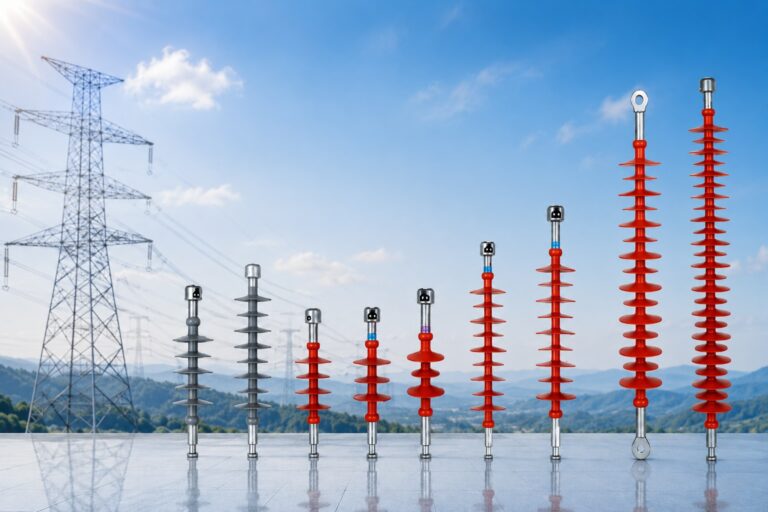
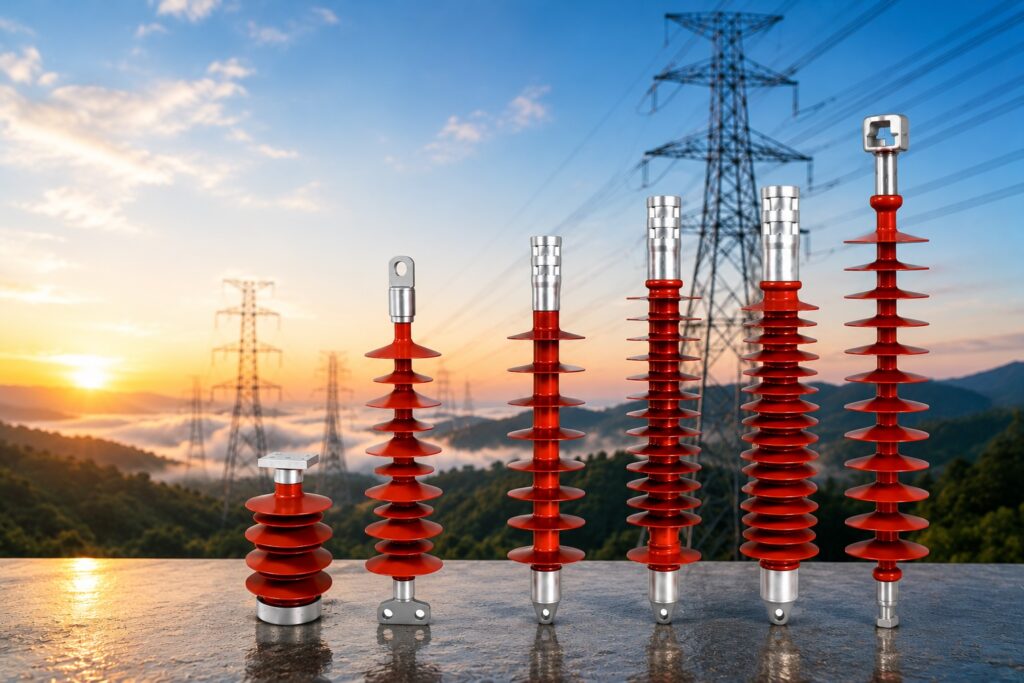
The cross arm composite insulator is designed for overhead transmission lines, distribution networks and outdoor electrical insulation systems. Compared with traditional porcelain structures, composite insulators offer lower weight, strong pollution resistance and improved resistance to impact and vibration.
Available models cover different voltage classes, cantilever loads, structure heights and creepage distances, allowing engineers to select a suitable configuration according to the electrical and mechanical requirements of each project.
Why Cross Arm Insulators Matter in Power Networks
Cross arm insulators provide electrical insulation while supporting conductors and mechanical loads on overhead power line structures. Their performance directly affects the safety, stability and maintenance requirements of a transmission or distribution system.
During operation, an insulator may be exposed to:
- Electrical voltage stress
- Conductor tension and cantilever loads
- Wind and mechanical vibration
- Rain, moisture and temperature changes
- Industrial dust, salt and other pollution
- Transportation and installation impact
A suitable cross arm composite insulator must therefore provide both electrical insulation and sufficient mechanical strength throughout its service life.
HTV Silicone Rubber Supports Pollution Resistance
The shed and housing are manufactured from high-temperature vulcanized silicone rubber. According to the supplied product information, the material can reach an HC1 hydrophobicity level.
Hydrophobicity helps water remain in separate droplets instead of forming a continuous conductive layer across the insulator surface. This characteristic supports insulation performance under wet and contaminated conditions.
Silicone rubber also provides hydrophobicity-transfer properties. When pollution accumulates on the surface, the material can help the contamination layer maintain water-repellent characteristics.
The supplied technical information states that the pollution flashover voltage of the composite insulator can be two to three times that of a porcelain insulator under corresponding conditions. Actual performance should be confirmed according to the final model, test requirements and operating environment.
Suitable for Polluted and Difficult-to-Maintain Areas
Transmission lines may pass through locations affected by industrial emissions, salt, dust or other contaminants. Under wet conditions, accumulated pollution can increase leakage current and reduce surface insulation performance.
The silicone rubber housing helps the composite insulator maintain hydrophobicity after contamination has accumulated. This makes the product suitable for lines where regular cleaning is difficult or where maintenance access is limited.
The product is designed to reduce routine cleaning requirements. However, inspection and maintenance should still follow the operating requirements of the local power system.
Lightweight Construction Simplifies Transportation and Installation
The supplied product information states that composite insulators weigh approximately one-seventh to one-tenth as much as comparable porcelain insulators.
Lower weight can provide several practical advantages:
- Easier transportation to remote construction sites
- Reduced manual handling requirements
- Faster installation on poles and support structures
- Improved suitability for mountainous or difficult-access areas
- More convenient replacement during emergency repairs
This can be particularly important for power lines located in areas where large lifting equipment or transportation vehicles cannot easily reach the installation point.
ECR Fiberglass Core Provides Mechanical Support
The internal load-bearing component is an acid-resistant ECR fiberglass rod. This core transfers mechanical forces between the upper and lower metal fittings while maintaining electrical insulation.
According to the supplied material data, the ECR rod has passed a 7,200-hour test. The silicone rubber housing protects the fiberglass core from environmental exposure, moisture and contamination.
The composite structure also provides strong resistance to impact and vibration, which can help reduce damage during transportation, installation and outdoor operation.
Hot-Dip Galvanized Steel Fittings Improve Corrosion Protection
The metal fittings are manufactured from hot-dip galvanized steel. The supplied specification states that the zinc coating thickness is greater than 100μm.
Galvanizing helps protect the steel components from corrosion during outdoor service. This is especially important for installations exposed to humidity, rain, industrial pollution or coastal environments.
The connection between the fiberglass core and metal fittings is a critical part of the insulator structure because it transfers mechanical loads to the supporting cross arm or line structure.
Available Cross Arm Composite Insulator Models
The available FS series covers multiple voltage classes and mechanical configurations. The following values are based on the supplied technical data.
| Model | Cantilever Load | Structure Height | Insulating Distance | Creepage Distance | Specified Tensile Load | Impulse Withstand Voltage | Wet Power-Frequency Withstand Voltage |
|---|---|---|---|---|---|---|---|
| FS-10/5 | 5kN | 215mm | 125mm | 290mm | 70kN | 75kV | 28kV |
| FS-35/5 | 5kN | 620mm | 480mm | 1200mm | 70kN | 265kV | 100kV |
| FS-35/8 | 8kN | 620mm | 480mm | 1200mm | 70kN | 265kV | 100kV |
| FS-66/5 | 5kN | 830mm | 630mm | 1800mm | 70kN | 410kV | 185kV |
| FS-66/8 | 8kN | 830mm | 630mm | 1800mm | 70kN | 410kV | 185kV |
| FS-110/5 | 5kN | 1270mm | 1025mm | 3150mm | 70kN | 550kV | 230kV |
| FS-110/10 | 10kN | 1270mm | 1025mm | 3150mm | 70kN | 550kV | 230kV |
| FS-220/4 | 4kN | 2470mm | 2100mm | 7040mm | 70kN | 1000kV | 395kV |
| FS-220/10 | 10kN | 2470mm | 2100mm | 7040mm | 120kN | 1000kV | 395kV |
How to Select a Cross Arm Composite Insulator
Selection should be based on both electrical and mechanical project requirements. Engineers should not select a model only according to the system voltage.
Important factors include:
- System voltage class
- Required cantilever load
- Specified tensile load
- Structure height
- Insulating distance
- Nominal creepage distance
- Lightning impulse withstand voltage
- Wet power-frequency withstand voltage
- Pollution severity
- Installation and connection requirements
For example, the FS-35/5 and FS-35/8 models have the same structure height, insulating distance and creepage distance, but they provide different cantilever load ratings.
Similarly, the FS-110/5 and FS-110/10 models share the same electrical dimensions but provide different mechanical load options.
Applications in Transmission and Distribution Systems
Cross arm composite insulators can be used in:
- Overhead transmission lines
- Medium-voltage distribution networks
- High-voltage outdoor electrical systems
- Industrial power networks
- Polluted and coastal operating environments
- Remote or difficult-access transmission routes
Their lightweight construction and pollution resistance make them particularly useful for projects where transportation, installation and routine maintenance are difficult.
Customization for Project Requirements
Different transmission and distribution projects may require different mechanical loads, dimensions and installation fittings.
The cross arm composite insulator can be configured according to:
- Model selection
- Mechanical load requirements
- Structure height
- Creepage distance
- Installation arrangement
- Connection and fitting requirements
Before placing an order, buyers should provide the system voltage, required mechanical load, installation drawing, pollution level and connection details.
Future Role of Composite Insulators
As power networks expand and utilities focus on reducing maintenance work, composite insulators are becoming increasingly important in transmission and distribution projects.
Their combination of silicone rubber hydrophobicity, fiberglass mechanical strength, corrosion-resistant fittings and low weight helps address many of the challenges associated with outdoor power line construction.
For projects located in polluted, remote or difficult-to-maintain environments, cross arm composite insulators can provide a practical alternative to traditional porcelain insulation equipment.
Conclusion
The FS series cross arm composite insulator is designed for overhead transmission lines, distribution networks and outdoor electrical insulation systems.
The available models cover multiple voltage classes, with cantilever loads from 4kN to 10kN, structure heights from 215mm to 2470mm and nominal creepage distances from 290mm to 7040mm.
The combination of an HTV silicone rubber housing, acid-resistant ECR fiberglass core and hot-dip galvanized steel fittings provides pollution resistance, mechanical strength, impact resistance and easier transportation.
Final model selection should be based on the complete electrical specification, mechanical load, pollution level, installation dimensions and project connection requirements.
Frequently Asked Questions
What are cross arm composite insulators used for?
They are used to provide electrical insulation and mechanical conductor support in overhead transmission lines, distribution networks and outdoor power systems.
What materials are used in the insulator?
The housing and sheds are made from HTV silicone rubber, the core is made from acid-resistant ECR fiberglass rod, and the fittings are made from hot-dip galvanized steel.
What voltage classes are available?
The supplied FS series includes models for 10kV, 35kV, 66kV, 110kV and 220kV applications.
What cantilever loads are available?
The listed models provide cantilever load ratings of 4kN, 5kN, 8kN or 10kN, depending on the selected model.
Can the dimensions and mechanical load be customized?
Model selection, mechanical load, structure height, creepage distance and installation requirements can be coordinated according to the project specification.